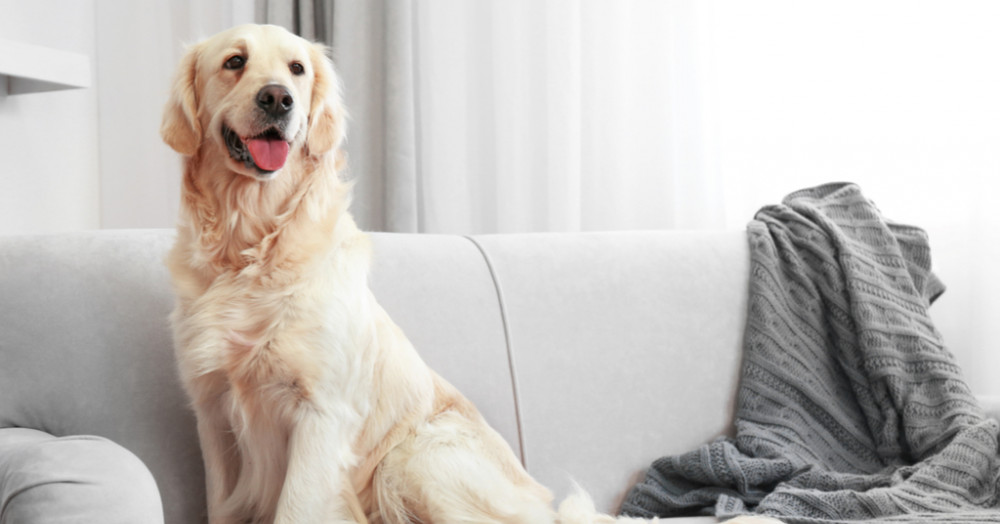
Why your pet might be delaying your house sale
So many reasons exist why selling a house can turn out to be a tough problem all of a sudden even with lots of interested buyers. Some blame everything from lethargic real estate agents, over pricing of the property to location, among others, except their pets. According to Home Focus Magazine, 40 per cent of potential homebuyers are put off by foul smells, general home mess and pets, while 39 per cent of people turn away from property viewing due to pets, foul smells and general clutter.
In fact, the same study found potential homebuyers above the age 45 are the ones turning away from homes up for sale that had pets. They were also the most unwilling to compromise on general disorder in the home.
Here are a number of reasons why a pet might be delaying the sale of your house.
Your pet is present during viewings
Lots of people in the UK and elsewhere do have pets and love them so much but it could be working against their attempts to sell their homes. Chances are every time you’re showing potential buyers around the house your dogs, cats and other pets are always around. Your pets could be so loving, normal and a typical constant around you that you probably don’t see any problem with that. While you mightn’t be able to move all the pets completely away from the house, find a way of removing them during property viewings at least.
Whiffy surroundings
A home with potential buyers and viewings but zero commitments to buy could mean that other factors such as pets are to blame. While you might be used to your dogs and cats’, visitors who are viewing the property probably aren’t. Never underestimate what a little mess by pets and acrid smell from their incontinence can cause.
Visible pet damage
The people who come to view the home you intend to sell might love animals but could be turned off by the damage they cause or have caused, especially if it’s not repaired on time. Cats and dogs can be expected to cause some damage on the doors, walls, flooring, furniture, fence, yard or carpets. If you’ve never taken time to repair the destruction they’ve caused, especially if it’s expensive, you can be rest assured most potential homebuyers will keep away.
Clear signs of pets in the property
Even after moving your pets temporarily to another location or removing them during property viewings you still need to erase all signs of their presence to potential house buyers. The idea is ensuring the property looks like pets have never been a part of it. All pet toys, pet food and litter boxes should be kept away as much as possible. This is particularly important during home staging where all pet clutter needs to be removed.
While preparing to put your house in the market, do all you can to transform the property in such a way that potential buyers won’t even have to ask whether pets have lived there. Move the pets if you have to but ensure they’re not around when potential buyers come around.